Corrosion Control Control Room India: ISA S71.04 Standards Explained

Table of Contents
ToggleModern industries rely on automated control rooms to keep operations running safely and efficiently. Whether it’s a refinery, fertilizer plant, power station, pharmaceutical facility, data center, or manufacturing unit, these environments contain highly sensitive electronic equipment that must operate continuously.
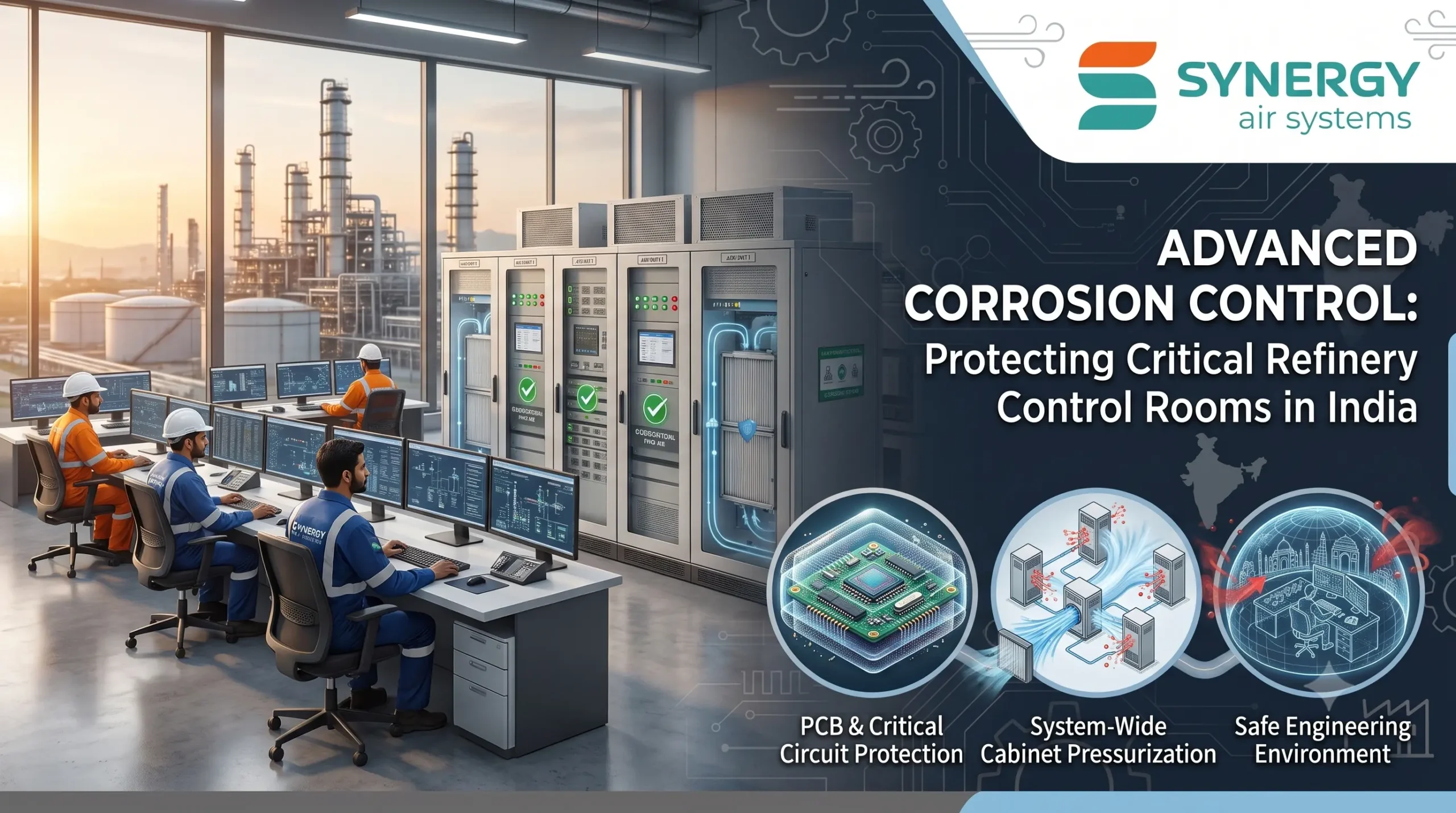
One of the biggest yet often overlooked threats to these systems is airborne corrosion. Invisible corrosive gases can gradually attack printed circuit boards (PCBs), relays, connectors, and other electronic components. Over time, this leads to equipment failures, unplanned downtime, costly maintenance, and reduced operational reliability.
As industrialization continues across India, the need for effective corrosion control control room India solutions has become increasingly important. Facilities located near chemical plants, coastal regions, wastewater treatment plants, steel manufacturing units, and fertilizer industries are particularly vulnerable because airborne contaminants are more prevalent in these environments.
To evaluate corrosion risks consistently, industries worldwide rely on the ISA S71.04 environmental classification standard. This standard provides a practical framework for assessing corrosive environments and selecting appropriate protection measures.
This guide explains the ISA S71.04 standard, the G1–GX corrosion classification system, common sources of airborne contaminants, and proven strategies to protect critical control room electronics.
Why Corrosion Is a Serious Challenge in Indian Control Rooms
India’s industrial landscape exposes electronic equipment to a unique combination of environmental challenges. High humidity, elevated temperatures, seasonal monsoons, industrial emissions, and coastal conditions all contribute to accelerated corrosion.
Many industrial facilities operate around the clock, making continuous equipment reliability essential. Even minor corrosion can interfere with signal transmission, increase electrical resistance, or cause unexpected failures that disrupt production.
Industries commonly affected include:
- Oil & Gas
- Petrochemicals
- Fertilizer Plants
- Power Generation
- Cement Manufacturing
- Steel Plants
- Pharmaceutical Manufacturing
- Food Processing
- Data Centers
- Water & Wastewater Treatment
In these environments, gases such as hydrogen sulfide (H₂S), sulfur dioxide (SO₂), nitrogen oxides (NOₓ), chlorine (Cl₂), ammonia (NH₃), and other reactive compounds can enter control rooms through ventilation systems or building leakage.
Once inside, these contaminants combine with moisture to form corrosive films on electronic components, initiating chemical reactions that slowly degrade metal surfaces.
This is why many organizations implement airborne corrosion protection systems alongside their HVAC infrastructure to maintain cleaner indoor air quality.
For facilities evaluating advanced air-cleaning technologies, Synergy Air Systems offers Gas Phase Filtration Systems that help remove corrosive gases before they reach sensitive electronic equipment. This solution can naturally be linked to your Gas Phase Filtration service page.
What Is ISA S71.04?
ISA S71.04 is an internationally recognized environmental standard developed by the International Society of Automation (ISA). It provides guidelines for evaluating airborne contamination levels surrounding electronic equipment.
Instead of measuring only dust or humidity, ISA S71.04 focuses specifically on corrosive gases that attack electronic assemblies.
The standard helps organizations:
- Assess corrosion severity
- Classify environmental conditions
- Select appropriate protection methods
- Improve equipment reliability
- Reduce maintenance costs
- Extend asset life
Rather than relying on visual inspections alone, facilities often perform environmental monitoring using corrosion coupons or electronic corrosion monitoring devices. These tools measure corrosion rates over time, allowing maintenance teams to make informed decisions before failures occur.
Organizations implementing proactive monitoring programs can identify changing environmental conditions long before damage becomes visible.
This makes periodic Environmental Toxin Assessment & Continuous Corrosion Monitoring an important part of any long-term corrosion management strategy.
Understanding the G1–GX Corrosion Classification System
One of the most useful aspects of ISA S71.04 is its corrosion severity classification.
The G1 G2 corrosion classification system categorizes environments based on measured corrosion rates rather than assumptions.
| Classification | Environment | Typical Risk Level |
|---|---|---|
| G1 | Mild | Very Low |
| G2 | Moderate | Low to Medium |
| G3 | Harsh | High |
| GX | Severe | Very High |
G1 – Mild Environment
A G1 environment presents little risk to electronic equipment. Corrosion rates remain low enough that standard industrial electronics can operate reliably throughout their expected service life.
Typical examples include:
- Clean office spaces
- Climate-controlled control rooms
- Modern data centers
- Laboratories
Routine HVAC filtration and preventive maintenance are generally sufficient.
G2 – Moderate Environment
G2 conditions indicate measurable airborne corrosion but still allow reliable equipment operation when appropriate maintenance and filtration are implemented.
Common examples include:
- Manufacturing facilities
- Industrial control rooms
- Pharmaceutical plants
- Food processing units
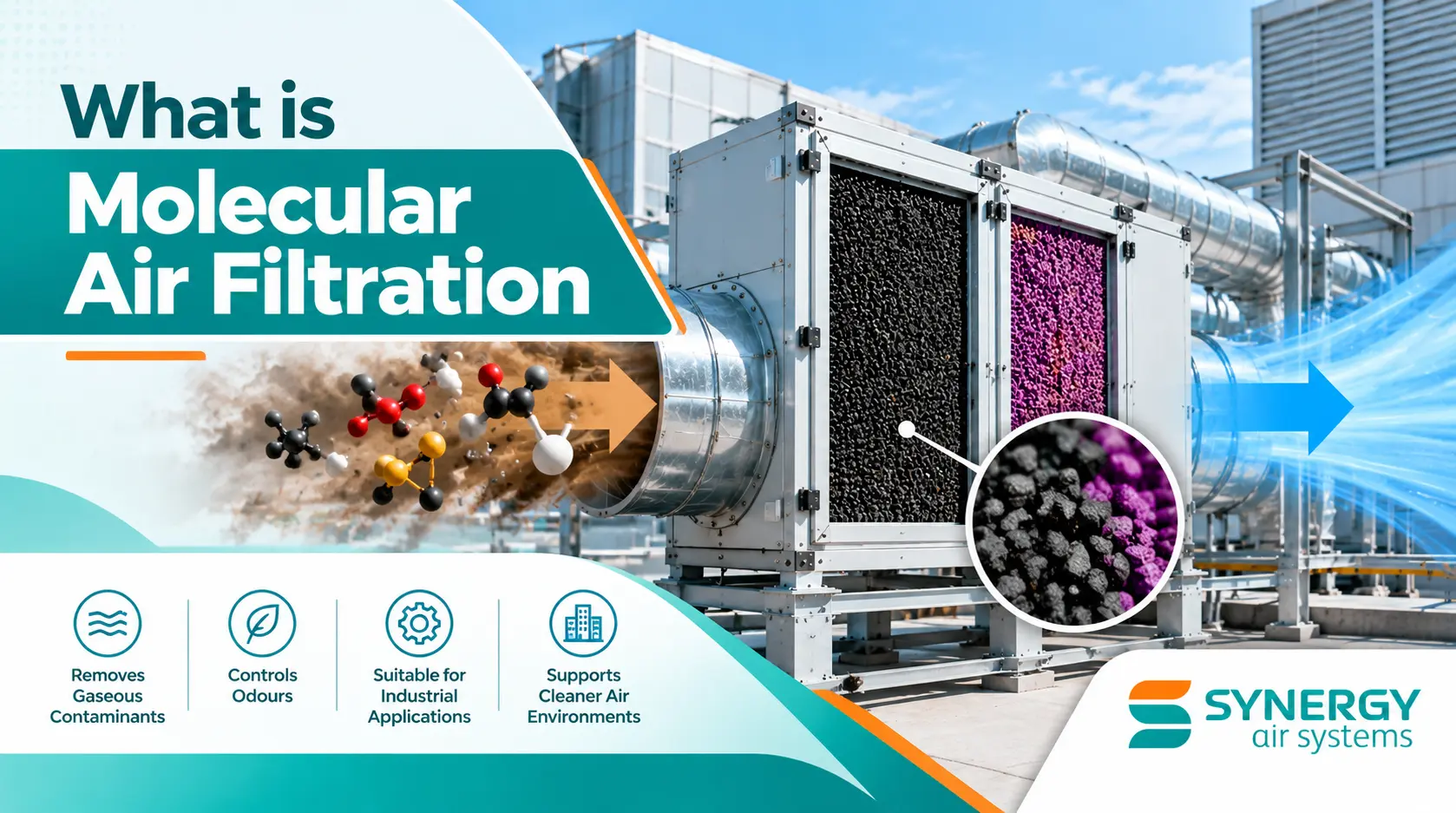
Facilities in this category often benefit from molecular filtration systems designed to remove corrosive gases before they accumulate indoors.
G3 – Harsh Environment
A G3 classification signals a significantly corrosive atmosphere.
Sensitive electronics may experience accelerated degradation if adequate corrosion control measures are not implemented.
Industries commonly falling into this category include:
- Refineries
- Petrochemical complexes
- Fertilizer plants
- Wastewater treatment facilities
- Chemical processing plants
At this level, organizations typically combine gas-phase filtration, corrosion monitoring, HVAC optimization, and regular environmental assessments to reduce equipment exposure.
GX – Severe Environment
A GX classification represents an extreme corrosive environment where airborne contaminants are present at levels that can rapidly damage electronic equipment. In these conditions, corrosion rates may exceed the thresholds covered by the standard’s lower classifications, making conventional protection measures insufficient.
GX environments are commonly found in facilities with continuous exposure to aggressive chemical emissions or salt-laden air, such as:
- Offshore oil and gas platforms
- Coastal industrial facilities
- Chlor-alkali and chemical manufacturing plants
- Pulp and paper mills
- Mining and smelting operations
Without effective mitigation, electronic assemblies in GX environments may experience premature failures, increased maintenance requirements, and reduced operational reliability. Facilities operating under these conditions often require a combination of gas-phase filtration, sealed control rooms, positive pressurization, and continuous corrosion monitoring to protect critical assets.
Major Sources of Airborne Corrosive Contaminants
Airborne corrosion rarely results from a single contaminant. Instead, it is typically caused by a combination of corrosive gases interacting with humidity, temperature, and particulate matter.
Some of the most common contaminants include:
| Contaminant | Common Sources | Potential Impact on Electronics |
|---|---|---|
| Hydrogen Sulfide (H₂S) | Refineries, wastewater plants, oil & gas | Tarnishes silver contacts and accelerates corrosion |
| Sulfur Dioxide (SO₂) | Power plants, boilers, industrial combustion | Corrodes copper and electronic assemblies |
| Chlorine (Cl₂) | Chemical processing, water treatment | Rapid metal corrosion and connector degradation |
| Nitrogen Oxides (NOₓ) | Industrial combustion, vehicle emissions | Contributes to acidic corrosion |
| Ammonia (NH₃) | Fertilizer and chemical industries | Reacts with certain metals under humid conditions |
| Salt Aerosols | Coastal regions | Accelerates galvanic and atmospheric corrosion |
Even when these gases are present at low concentrations, prolonged exposure can gradually deteriorate electrical contacts, solder joints, and printed circuit boards.
How Airborne Corrosion Affects Electronic Equipment
Corrosion often develops gradually, making it difficult to detect until operational issues begin to appear. By the time visible signs emerge, significant damage may already have occurred.
Common consequences include:
- Increased electrical resistance
- Intermittent signal failures
- Relay and switch malfunctions
- Printed circuit board degradation
- Connector failures
- Instrument calibration drift
- Unexpected control system shutdowns
- Higher maintenance and replacement costs
In industries where continuous operations are essential, even a short period of downtime can lead to substantial production losses.
For example, a failed PLC, DCS controller, or SCADA component can interrupt critical processes, delay production schedules, and require emergency maintenance.
To better understand the business impact of these failures, readers may find it helpful to explore Synergy Air Systems’ article on The True Cost of Corrosion, which highlights how corrosion-related equipment failures can affect productivity and operating costs.
Best Practices for Corrosion Prevention in Control Rooms
Effective corrosion prevention in the electronics industry requires a proactive approach that addresses both environmental conditions and facility design. The following practices can help reduce corrosion risks and improve equipment reliability.
1. Conduct a Corrosion Risk Assessment
The first step is to evaluate the operating environment. A professional corrosion assessment identifies contaminant sources, airflow patterns, humidity levels, and existing protection measures.
This information helps determine the appropriate mitigation strategy based on the facility’s specific risk profile.
2. Install Gas-Phase Air Filtration
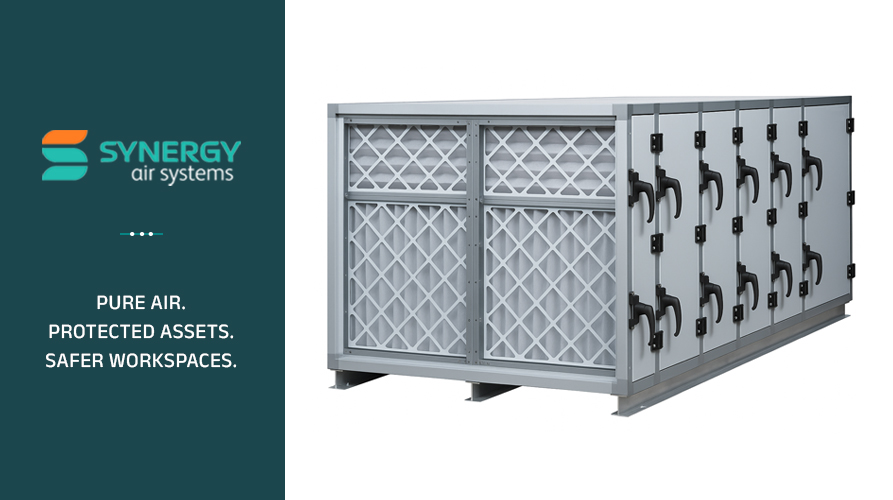
Unlike conventional particulate filters, gas-phase filtration systems are designed to remove molecular contaminants before they reach sensitive electronics.
These systems use specialized media to adsorb corrosive gases such as hydrogen sulfide, sulfur dioxide, chlorine, and other airborne chemicals.
Facilities interested in improving indoor air quality can consider Synergy Air Systems’ Gas Phase Filtration Systems, which are designed to support critical industrial environments where airborne molecular contamination is a concern.
3. Use Molecular Filtration Technologies
In environments with elevated gaseous contaminants, molecular filtration provides an additional layer of protection.
These systems target contaminants that standard HVAC filters cannot capture, helping maintain cleaner air inside electrical rooms, control rooms, and data centers.
For a deeper understanding of this technology, readers can refer to the Molecular Filtration System: Protecting Electronics & Critical Environments resource from Synergy Air Systems.
4. Maintain Positive Room Pressurization
Keeping control rooms under positive pressure helps prevent contaminated outdoor air from entering through doors, windows, and structural gaps.
When combined with properly maintained filtration systems, positive pressurization can significantly reduce airborne contaminant infiltration.
5. Monitor Environmental Conditions
Routine monitoring enables maintenance teams to detect changes before they result in equipment failures.
Monitoring programs may include:
- Corrosion coupons
- Electronic corrosion sensors
- Humidity monitoring
- Air quality testing
- Contaminant concentration analysis
Continuous monitoring supports predictive maintenance and allows corrective actions to be taken before corrosion becomes severe.
6. Optimize HVAC Performance
A well-designed HVAC system contributes to corrosion control by regulating temperature, humidity, and airflow.
Proper maintenance of air handling units, filters, and ventilation systems also helps minimize contaminant buildup inside control rooms.
Organizations planning upgrades may benefit from reviewing Synergy Air Systems’ Industrial & Commercial HVAC Systems solutions alongside airborne corrosion mitigation strategies.
Why ISA S71.04 Classification Matters
Implementing the ISA S71.04 corrosion classification framework offers several operational benefits:
- Standardized assessment of corrosive environments
- Better equipment selection based on environmental conditions
- Improved maintenance planning
- Reduced risk of unexpected failures
- Longer service life for electronic assets
- Enhanced operational reliability
- Lower lifecycle costs
Rather than responding to failures after they occur, facilities can adopt preventive measures based on measured corrosion severity, resulting in more efficient asset management.
Choosing the Right Corrosion Protection Partner
Selecting an experienced partner is just as important as choosing the right technology.
When evaluating corrosion control providers, consider whether they offer:
- Corrosion risk assessments
- Air quality evaluations
- Gas-phase filtration expertise
- Molecular filtration solutions
- Continuous corrosion monitoring
- HVAC integration capabilities
- Ongoing maintenance and technical support
A comprehensive approach ensures that airborne contamination is addressed at its source while supporting long-term equipment reliability.
Synergy Air Systems provides integrated solutions that combine environmental assessments, gas-phase filtration, molecular filtration, corrosion monitoring, and HVAC expertise to help industries protect critical electronic infrastructure across a wide range of operating environments.
Frequently Asked Questions
What is ISA S71.04?
ISA S71.04 is an environmental classification standard that evaluates airborne corrosive contamination around electronic equipment. It helps industries assess corrosion severity and determine appropriate protection strategies.
What does the G1–GX corrosion classification system mean?
The G1–GX system categorizes environments based on corrosion severity, ranging from G1 (mild) to GX (severe). Higher classifications indicate a greater potential for corrosion-related equipment damage.
Why are control rooms vulnerable to airborne corrosion?
Control rooms contain sensitive electronic equipment that can be affected by corrosive gases, humidity, and airborne contaminants. These factors can degrade electrical contacts, circuit boards, and connectors over time.
Which industries are most affected by airborne corrosion?
Industries such as oil and gas, petrochemicals, power generation, fertilizer manufacturing, wastewater treatment, mining, pharmaceuticals, steel, and coastal manufacturing facilities often face elevated corrosion risks.
How can gas-phase filtration help protect electronics?
Gas-phase filtration removes corrosive gases from the air before they reach electronic equipment. This helps reduce corrosion rates and supports improved equipment reliability in contaminated environments.
How often should corrosion risks be assessed?
The appropriate frequency depends on operating conditions, environmental changes, and industry requirements. Facilities with higher exposure to corrosive contaminants generally benefit from regular environmental monitoring and periodic risk assessments.
Can HVAC systems help reduce corrosion?
Yes. Properly designed and maintained HVAC systems support corrosion control by managing airflow, humidity, and filtration. When integrated with gas-phase or molecular filtration, they can further reduce airborne contaminant exposure.
What is the first step in protecting a control room from corrosion?
A professional corrosion risk assessment is often the best starting point. It provides insight into environmental conditions, contaminant sources, and the most suitable mitigation strategies for the facility.
Conclusion
As industries across India continue to embrace automation and digital control systems, protecting sensitive electronics from airborne corrosion has become a critical aspect of operational reliability. The ISA S71.04 standard provides a practical framework for evaluating corrosive environments through the G1–GX classification system, enabling organizations to make informed decisions about equipment protection and maintenance.
By combining environmental assessments, appropriate filtration technologies, corrosion monitoring, and effective HVAC design, facilities can significantly reduce corrosion-related failures and extend the service life of valuable electronic assets.
Whether you operate a refinery, manufacturing plant, power station, pharmaceutical facility, or data center, understanding your corrosion risk is the first step toward building a more resilient and reliable operation.
Table of Contents
Toggle