VRV HVAC Systems Ahmedabad: Complete Buyer’s Guide for Commercial Buildings

Table of Contents
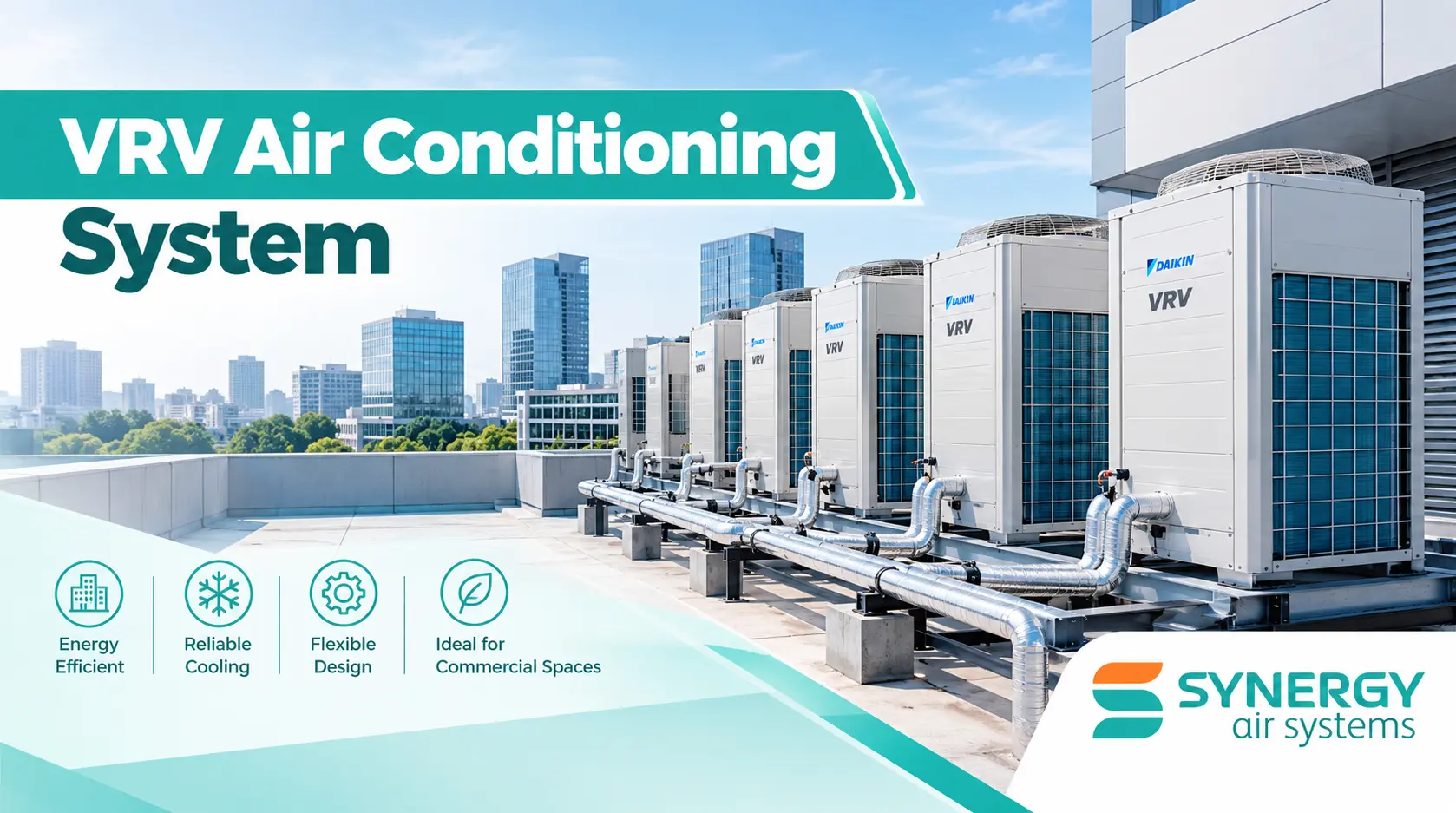
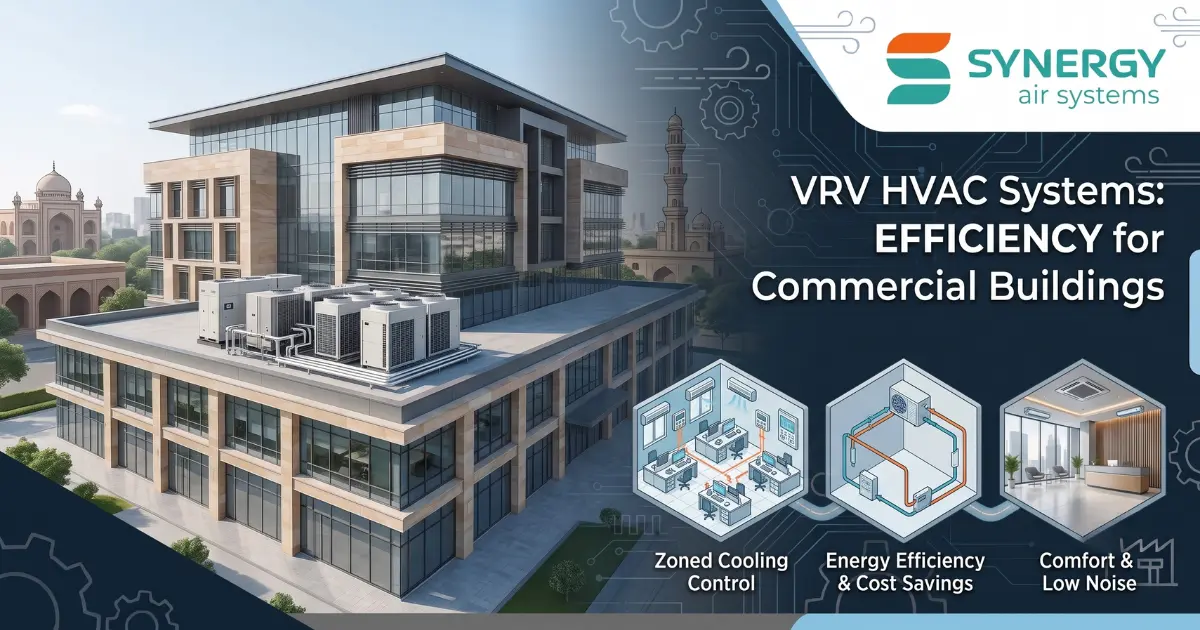
ToggleModern commercial buildings require cooling systems that are energy-efficient, scalable, and capable of maintaining comfort across multiple zones. VRV HVAC systems Ahmedabad have become a preferred solution for offices, hotels, hospitals, educational institutions, retail spaces, and mixed-use developments because they offer precise temperature control while helping reduce operating costs.
Whether you are constructing a new commercial property or upgrading an existing HVAC system, understanding how Variable Refrigerant Volume (VRV) technology works can help you make an informed investment.
What Is a VRV HVAC System?
A VRV (Variable Refrigerant Volume) system is a type of advanced air-conditioning technology that regulates the amount of refrigerant flowing to different indoor units based on the cooling or heating demand of each zone.
Unlike conventional systems that operate at fixed capacity, VRV systems continuously adjust compressor speed and refrigerant flow. This allows individual rooms or zones to maintain different temperatures while consuming only the energy required.
You’ll also encounter the term VRF system Ahmedabad. VRF (Variable Refrigerant Flow) refers to the same technology category. “VRV” is a trademarked name originally introduced by Daikin, while “VRF” is the generic industry term.
VRV vs. VRF Systems
| Feature | VRV | VRF |
|---|---|---|
| Technology | Variable refrigerant control | Variable refrigerant control |
| Performance | High efficiency | High efficiency |
| Multi-zone capability | Yes | Yes |
| Energy saving | Excellent | Excellent |
| Commercial applications | Offices, hotels, malls | Similar applications |
For most buyers, the distinction lies primarily in branding rather than functionality.
Why Commercial Buildings in Ahmedabad Choose VRV Systems
Commercial properties often have varying occupancy levels throughout the day. Meeting rooms, reception areas, server rooms, and private offices rarely require identical cooling.
A VRV system automatically adapts to these changing conditions, offering several advantages.
1. Superior Energy Efficiency
By adjusting compressor output based on demand, VRV systems avoid unnecessary energy consumption, helping reduce electricity usage compared with conventional fixed-speed systems.
2. Individual Zone Control
Each indoor unit can be controlled independently. Occupants can set different temperatures for separate spaces, improving comfort without affecting the entire building.
3. Flexible Installation
VRV systems support a wide range of indoor unit styles, including:
- Cassette units
- Ducted units
- Wall-mounted units
- Ceiling suspended units
- Floor-standing units
This flexibility makes them suitable for different architectural layouts.
4. Space Saving
Since multiple indoor units connect to a single outdoor unit, VRV systems often require less outdoor installation space compared with traditional setups.
5. Quiet Operation
Modern inverter-driven compressors and indoor units operate with reduced noise levels, making them suitable for offices, conference rooms, educational institutions, and healthcare facilities.
Applications of VRV Air Conditioner Systems
Businesses across Ahmedabad are increasingly selecting VRV air conditioner Ahmedabad solutions for projects that demand reliability and efficiency.
Common applications include:
- Corporate offices
- Shopping malls
- Hotels
- Restaurants
- Hospitals
- Diagnostic centers
- Schools
- Colleges
- Universities
- Banks
- Luxury villas
- IT parks
- Showrooms
- Commercial complexes
These environments benefit from independent temperature control and the ability to expand the system as requirements evolve.
Factors to Consider Before Buying a VRV HVAC System
Choosing the right system involves more than comparing equipment specifications.
Building Size
Cooling capacity should match the total load of the building while accounting for future expansion.
Occupancy Patterns
Buildings with fluctuating occupancy often benefit significantly from VRV technology because the system adjusts cooling output dynamically.
Indoor Unit Selection
Different spaces require different indoor unit types. A combination of cassette, concealed ducted, and wall-mounted units may provide the most practical solution.
Energy Efficiency
Compare efficiency ratings and consider long-term operating costs rather than focusing solely on the initial purchase price.
Installation Quality
Even the best equipment depends on proper system design, refrigerant piping, electrical work, and commissioning for optimal performance.
Maintenance Support
Ensure the supplier offers scheduled servicing, diagnostics, and readily available replacement parts.
Why Work with an Experienced Daikin VRV Dealer Ahmedabad
If you are considering Daikin equipment, selecting an experienced Daikin VRV dealer Ahmedabad can simplify the entire process.
A knowledgeable dealer can assist with:
- Site inspection
- Cooling load calculations
- System design
- Equipment selection
- Professional installation
- Testing and commissioning
- Preventive maintenance
- Technical support
Working with experienced professionals also helps ensure the system is configured to match your building’s operational requirements.
Installation Process
A typical commercial VRV installation follows these stages:
Step 1: Site Survey
Engineers evaluate the building layout, occupancy, orientation, and cooling requirements.
Step 2: Heat Load Calculation
Cooling loads are calculated to determine equipment capacity.
Step 3: System Design
Indoor units, refrigerant piping, electrical infrastructure, and outdoor unit placement are planned.
Step 4: Installation
The indoor and outdoor units are installed along with refrigerant piping, insulation, drainage, and control wiring.
Step 5: Testing and Commissioning
The system undergoes pressure testing, vacuuming, refrigerant charging (where applicable), configuration, and operational testing before handover.
Maintenance Tips
Routine maintenance helps maintain efficiency and system reliability.
Recommended practices include:
- Clean or replace air filters regularly.
- Inspect refrigerant piping for leaks.
- Check condensate drainage.
- Clean outdoor condenser coils.
- Verify electrical connections.
- Schedule professional preventive maintenance according to the manufacturer’s recommendations.
Preventive servicing can help reduce unexpected downtime and maintain consistent performance.
Common Questions Buyers Ask
Is VRV suitable for small commercial buildings?
Yes. VRV systems are available in different capacities and can be designed for small offices as well as large commercial complexes.
Can additional indoor units be added later?
Many systems can accommodate future expansion, subject to system capacity and design considerations.
Is VRV more energy-efficient than conventional air conditioning?
VRV technology is generally designed to improve efficiency by varying compressor speed and refrigerant flow based on demand.
Does every room have its own temperature control?
Yes. One of the primary advantages of VRV systems is independent zone control.
Frequently Asked Questions
What is the difference between VRV and VRF?
VRV is a trademarked name used by Daikin, while VRF is the generic industry term. Both describe variable refrigerant technology for multi-zone heating and cooling.
Are VRV HVAC systems suitable for offices?
Yes. They are commonly used in office buildings because they provide independent temperature control, energy efficiency, and flexible installation.
How long does a VRV installation take?
Installation time depends on the building size, project complexity, and construction schedule.
Are VRV systems energy efficient?
They are designed to optimize energy use by matching cooling output to actual demand rather than operating continuously at full capacity.
How often should a VRV system be serviced?
Routine inspections and preventive maintenance are recommended to help maintain efficiency and reliability. Follow the manufacturer’s maintenance schedule.
Can VRV systems support multiple indoor units?
Yes. One outdoor unit can typically connect to multiple indoor units, depending on the system design and capacity.
Conclusion
For commercial buildings seeking efficient climate control, VRV HVAC systems Ahmedabad provide a flexible and scalable solution. Features such as individual zone control, inverter-driven operation, and adaptable installation make VRV technology suitable for a wide range of commercial applications.
When evaluating commercial air conditioning Ahmedabad solutions, consider the building’s cooling requirements, long-term operating costs, installation quality, and maintenance support. A properly designed and professionally installed VRV/VRF system can contribute to occupant comfort and efficient building operation over its service life.
Table of Contents
Toggle