How Modern Industrial HVAC Systems Protect Your Business, Employees & Profits

Table of Contents
ToggleWhen most people think of HVAC, they picture simple air conditioning maybe a flick of a thermostat. But for industrial facilities and commercial spaces, HVAC is the silent background of productivity and operational efficiency. A poorly designed system can cost far more than just a high energy bill it can jeopardize employee health, damage sensitive equipment and even halt production.
In this guide, we’ll explore why Industrial HVAC Systems are vital, what makes a commercial HVAC company worth partnering with and how businesses can optimize indoor air quality while ensuring long-term reliability.
Why Industrial HVAC Systems Are Non-Negotiable
Industrial HVAC systems are not just about cooling or heating they regulate air quality, control humidity, and neutralize toxic gases in environments where precision matters. Consider these scenarios:
- Laboratories and pharmaceutical industries require clean rooms where airborne particles can’t compromise research or products. Here, laboratory air purification and process control HVAC solutions are essential.
- Electronics-heavy facilities need corrosion control systems to protect sensitive equipment. Without proper corrosion control in electronics, even minor air pollutants can result in costly damages.
- Factories and industrial spaces often deal with chemical fumes, odors, or pollutants. Advanced toxic gas neutralization and odor control ensure a safe environment for employees and compliance with industrial safety standards.
Key Components of a High-Performance Industrial HVAC System
A robust industrial HVAC system isn’t a one-size-fits-all solution. High-performance systems include:
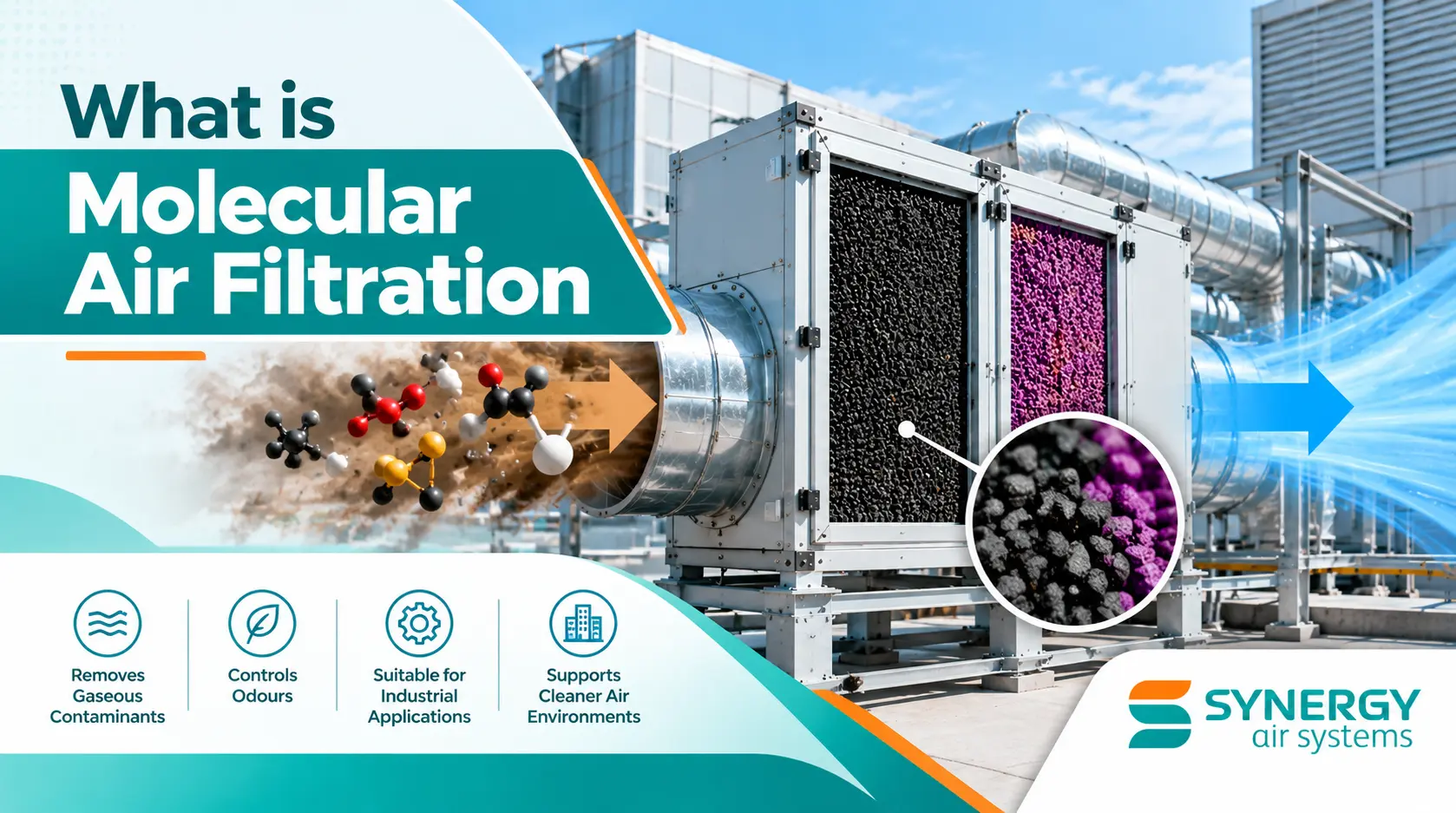
- Gas Phase Air Filters – These are critical for absorbing harmful gases and chemicals before they circulate through the facility.
- Advanced Ventilation Systems – Proper ventilation system installation prevents hotspots, reduces energy costs, and improves airflow efficiency.
- Process-Control HVAC – Especially for sensitive manufacturing, these systems maintain precise temperature and humidity levels, ensuring consistent quality.
- Corrosion Control Mechanisms – Protecting electronics and equipment from airborne corrosion keeps downtime and replacement costs minimal.
A commercial HVAC company specializing in industrial solutions can design these systems to meet your facility’s unique requirements.
Choosing the Right Commercial HVAC Partner
Not all HVAC contractors are created equal. Here’s what businesses need to look for:
- Expertise in Industrial Air Management Solutions – Ensure they understand the nuances of factories, laboratories, and clean rooms.
- End-to-End Services – From installation to ongoing maintenance, a full-service provider ensures system longevity.
- Project Management Skills – Large-scale installations require precise scheduling and resource management. A team skilled in HVAC project management solutions can prevent costly delays.
- High-Quality Equipment – Buying the right system matters. Consider buy industrial HVAC systems from reputable suppliers with proven efficiency and durability.
Partnering with the right team is an investment that pays for itself through efficiency, reliability, and operational safety.
Maintenance and System Reliability
Even the best industrial HVAC system can fail without proper maintenance. Consider these tips:
- Schedule annual HVAC maintenance to ensure peak performance.
- Monitor indoor air quality optimization to protect employees and sensitive equipment.
- Implement energy-efficient upgrades to reduce costs without sacrificing performance.
- Regularly inspect air purification for pharmaceutical industry applications to meet strict compliance standards.
Reliable maintenance protects profits, prevents downtime, and extends the life of your HVAC system.
Emerging Trends in Industrial HVAC
Industries evolve, and so does HVAC technology. Businesses should stay ahead by considering:
- IoT-Connected HVAC Systems – Real-time monitoring of air quality, temperature, and humidity.
- Energy-Efficient Designs – Lower operational costs while maintaining system reliability.
- Advanced Filtration Solutions – Enhanced laboratory air purification and gas phase air filter systems for sensitive environments.
- Corrosion-Resistant HVAC Systems – Essential for electronics-heavy industries.
Staying current with trends ensures your facility remains safe, productive, and compliant.
Conclusion
Protecting employees and equipment to ensuring consistent air quality and operational efficiency, investing in a reliable system from a qualified commercial HVAC company is essential. By choosing the right partner, implementing preventive maintenance, and staying on top of emerging technologies, businesses can maximize performance, reduce costs, and secure a safer environment for everyone.
FAQs
What is the difference between a commercial HVAC company and a standard HVAC contractor?
A commercial HVAC company specializes in large-scale systems for factories, laboratories, and offices, offering design, installation, and maintenance services for industrial needs.
How often should industrial HVAC systems be maintained?
Annual HVAC maintenance is recommended, with critical components checked quarterly for high-risk environments.
Can HVAC systems help with chemical and odor control?
Yes. Advanced gas phase air filters and ventilation systems are designed to neutralize toxic gases and control industrial odors.
Why is corrosion control important for electronics in industrial HVAC systems?
Airborne pollutants and humidity can corrode sensitive electronics, leading to equipment failure. Corrosion control mechanisms prevent these issues.
Are industrial HVAC systems energy efficient?
Modern systems prioritize efficiency with smart controls, IoT monitoring, and energy-saving components without compromising performance.
Table of Contents
Toggle