Behind the Scenes of Your Flight Delay – The Hidden HVAC Crisis at Airports & Metro Terminals

Table of Contents
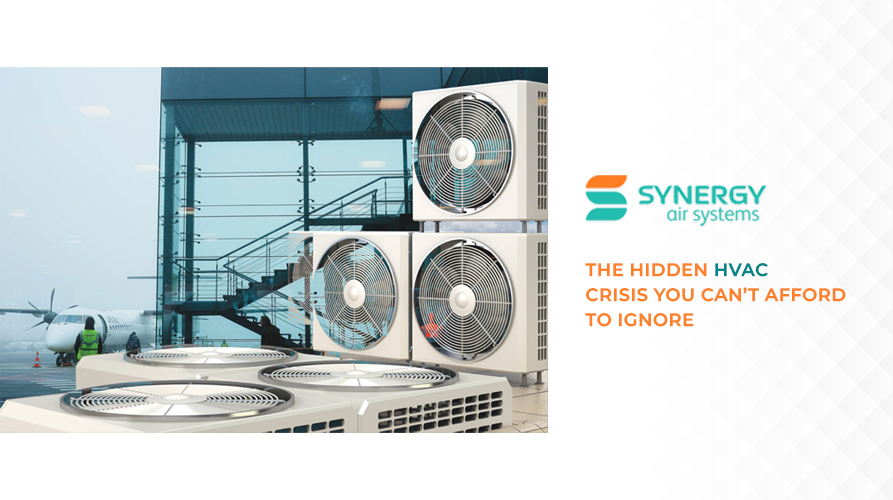
ToggleAirports and metro terminals run like complex ecosystems thousands of sensors, control panels, ticketing systems, and air-handling units working 24×7 to maintain precision comfort. But beneath the sleek architecture lies one critical factor that silently defines system efficiency: air quality.
When HVAC systems fail to control temperature, humidity and particulate load, the effects ripple fast from faulty display panels to corroded circuit boards. In high-traffic terminals, this isn’t just an inconvenience; it’s an engineering breakdown that can cost crores in energy losses and maintenance downtime.
Why HVAC Air Filtration Is Mission-Critical in Terminals
Modern terminals operate in high-contamination environments constant passenger movement, jet exhaust fumes, oil vapours and suspended fine dust. These contaminants, if not filtered, circulate through ducts, clog evaporator coils and degrade air handling efficiency.
Advanced HVAC air filtration services protect against these problems by combining:
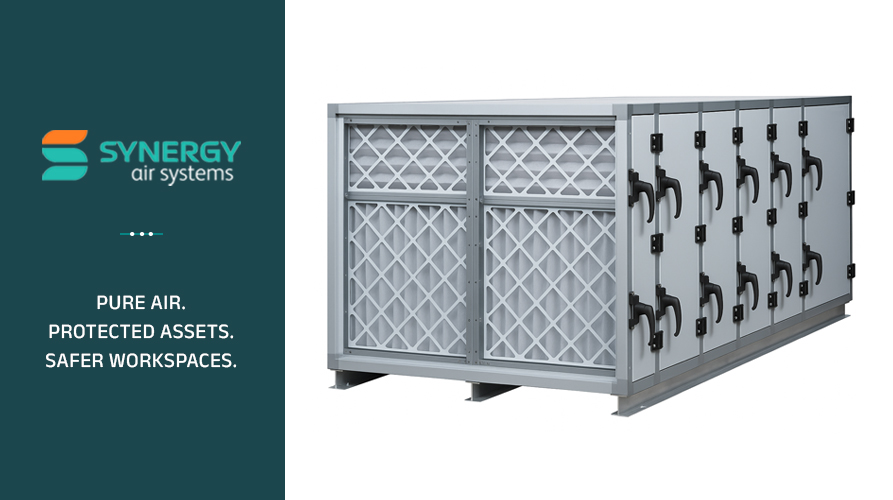
- Primary pre-filters to block coarse particles and lint
- Secondary fine filters (MERV 13–16) to trap micro-dust and allergens
Without this multi-stage barrier, terminal HVAC systems quickly experience reduced airflow, uneven cooling, and high static pressure leading to mechanical strain and sensor inaccuracy.
Technical Breakdown: What Happens When Air Isn’t Clean
When contaminated air recirculates:
- Sensors and control boards accumulate corrosion due to acid gases and humidity.
- Fan coil units and AHUs operate under higher load, consuming up to 20–30% more energy.
- Indoor air quality sensors give false readings, causing temperature imbalance in passenger zones.
- Maintenance cycles shorten, increasing overall cost of operation.
For critical facilities like airports or metros, where air-handling downtime is not an option, poor HVAC maintenance becomes a silent disruptor of system stability.
Real Scenario – The Terminal Performance Drop
During the expansion of major Indian terminals, HVAC audits revealed that dust load in underground tunnels exceeded filtration design by 40%. This caused pressure imbalance, triggering overcooling in waiting halls and overheating near baggage belts both tied directly to inadequate air filtration.
Similar issues have been observed in metro networks, where poor ventilation and high humidity corrode electrical enclosures.
That’s why today, advanced terminals rely heavily on commercial HVAC companies with gas-phase and high-efficiency filtration expertise.
Ahmedabad’s Infrastructure & The Need for Reliable HVAC Contractors
With Ahmedabad emerging as a major aviation and metro hub, HVAC contractors in Ahmedabad are taking center stage in maintaining optimal air environments. Whether it’s a control room or underground tunnel, consistent airflow and contaminant-free circulation are non-negotiable.
Professional HVAC air filtration services ensure:
- Stable temperature control across wide passenger zones
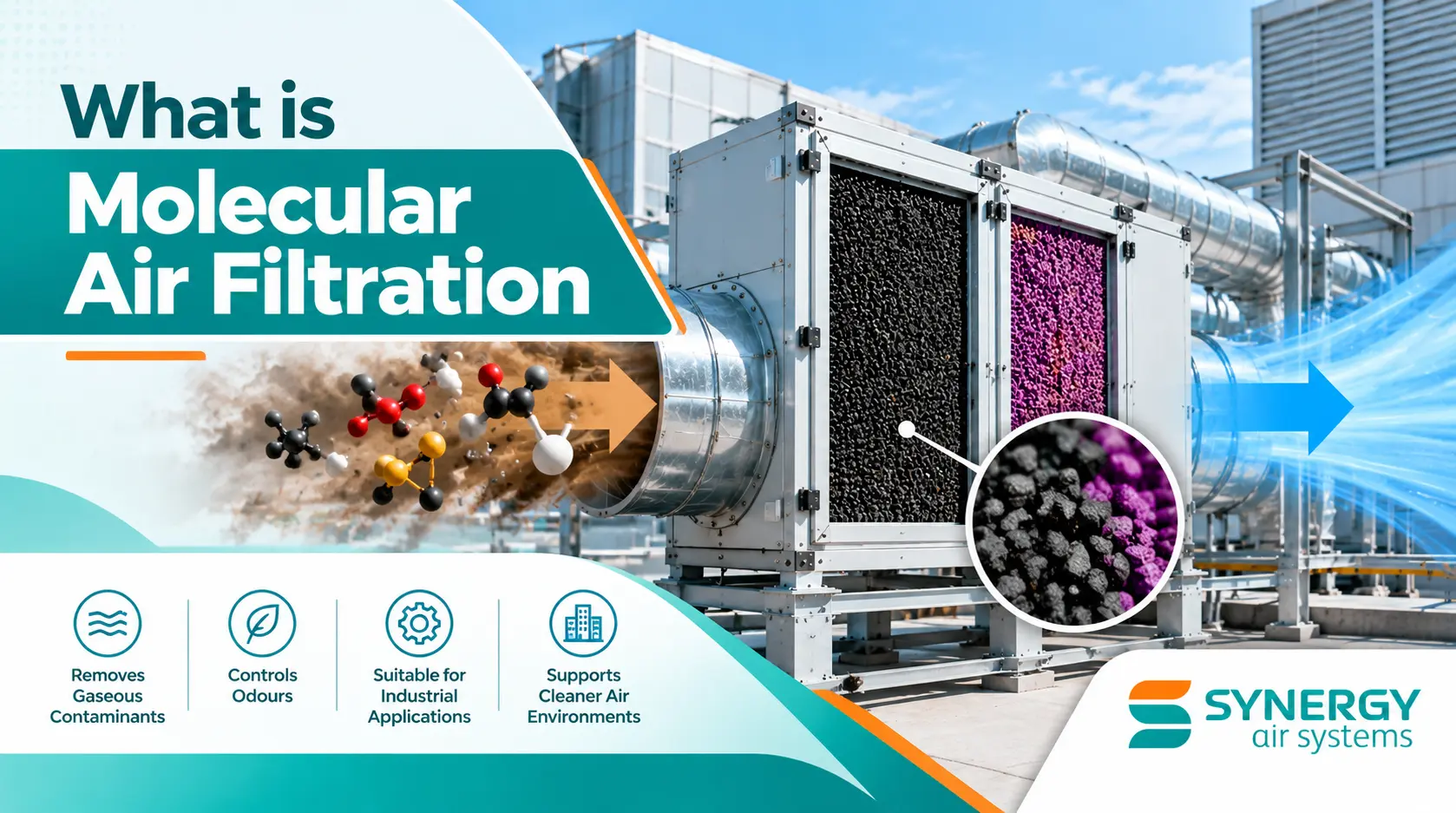
- Odour-free indoor air through activated carbon and chemical filtration
- Reduced corrosion on terminal electronics
- Lower power consumption and longer equipment life
The Cost of Neglect
Ignoring HVAC filtration in large terminals doesn’t just risk comfort it risks continuity.
Every minute of HVAC downtime can disrupt flight schedules, delay train operations, and lead to operational penalties.
What looks like a cooling issue often originates from poor filtration design or irregular maintenance.
The Synergy Air Systems Approach
We deliver specialized HVAC air filtration services engineered for high-density public infrastructures.
As one of the leading commercial HVAC companies and trusted HVAC contractors in Ahmedabad, our solutions include:
- Custom air-handling unit design for large-scale HVAC systems
- Energy-optimized maintenance schedules
- Real-time air quality monitoring and filtration audits
Because in airports and metros, air isn’t just comfort it’s control.
Partner with Synergy Air Systems your trusted expert in commercial HVAC air filtration and ensure your terminal operates with precision, reliability, and superior air quality, every single day.
FAQs
Why do airports and metro terminals require advanced HVAC filtration?
Because high-traffic hubs carry heavy dust, fumes and humidity loads that standard filters simply can’t handle. Advanced filtration keeps the entire ecosystem stable.
How does poor air filtration affect terminal electronics?
Contaminants settle on sensors and control boards, causing corrosion, false readings & faster equipment failure.
What type of filters are recommended for large terminals?
A multi-stage system pre-filters for coarse dust and MERV 13-16 fine filters for micro-particles ensures consistent airflow and system accuracy.
Can better HVAC filtration reduce energy consumption?
Absolutely. Clean coils, balanced pressure and unobstructed airflow can cut energy use by 20-30% in large facilities.
Why should terminals rely on professional HVAC contractors?
Because large infrastructure demand precision engineering, continuous monitoring and filtration expertise that only specialized HVAC teams can deliver.
Table of Contents
Toggle