Why 30-40% of Produce Spoils Inside Cold Storage

Table of Contents
ToggleWe’ve all seen it you pick up a fruit or veggie, and suddenly there’s a soft spot, a brown mark, a strange smell. And instantly you think, “Ugh… spoiled.”
But the real question is: why did it spoil?
What actually happens inside storage that turns fresh produce into disappointment?
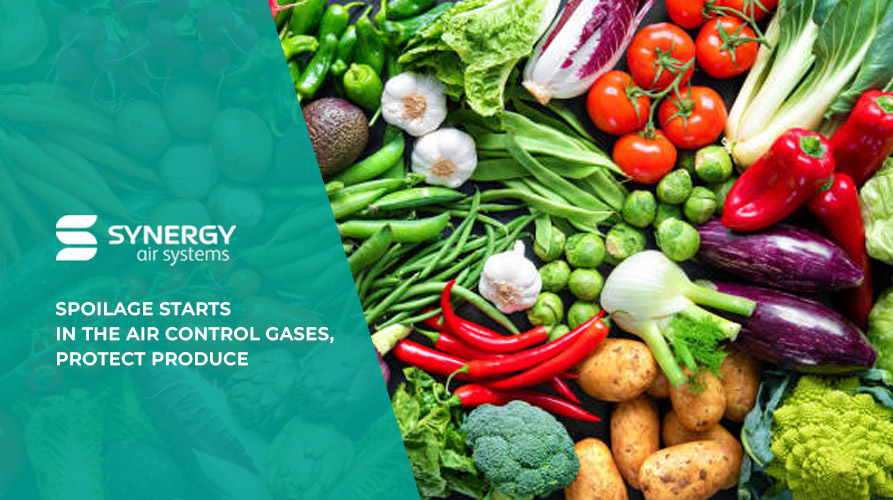
Most people never hear the real story the invisible gases, the silent reactions, the hidden chemistry that ruins fruits and veggies long before they reach a kitchen or market rack.
Alright, let’s step inside the cold storage and see what’s actually going on.
1. Temperature Isn’t Enough
Cold storage is often designed around temperature control. While keeping the room cool slows spoilage, it does not stop ethylene production or gas contamination. Fruits and vegetables continue to release gases such as ethylene, VOCs, ammonia, and sulfur compounds.
Over time, these gases accumulate, accelerating ripening and causing deterioration. Even produce stored at the ideal temperature can spoil if gas levels are not monitored and managed.
2. Ethylene: The Invisible Villain
Ethylene is a natural plant hormone that regulates ripening. Research shows that apples, bananas, tomatoes, and papayas release 0.1–10 ppm ethylene, even inside cold storage. Sensitive vegetables such as leafy greens, cabbage, and beans can start to spoil at just 0.3–0.5 ppm.
Unchecked, ethylene spreads throughout the room, creating hotspots where produce ripens too quickly, and one overripe crate can trigger spoilage across the entire batch.
3. Cross-Commodity Contamination
Many warehouses store different types of produce together. High ethylene-emitting fruits like bananas or apples can damage low ethylene-sensitive vegetables like potatoes, cabbage, or leafy greens. Cross-commodity contamination causes uneven ripening, premature yellowing, texture loss, and ultimately financial losses. Without proper air filtration, the risk multiplies as gases move freely between different types of produce.
4. VOCs and Hidden Chemical Hazards
It’s not just the produce. Cold storage rooms also accumulate volatile organic compounds (VOCs) from packaging materials, plastics, wooden crates, and cleaning agents. These gases interact with produce, causing internal browning, off-odors, and microbial growth. Traditional cooling systems do not remove VOCs, leaving produce vulnerable to quality degradation and reduced shelf life.
5. Gas Phase Air Filtration: The Real Solution
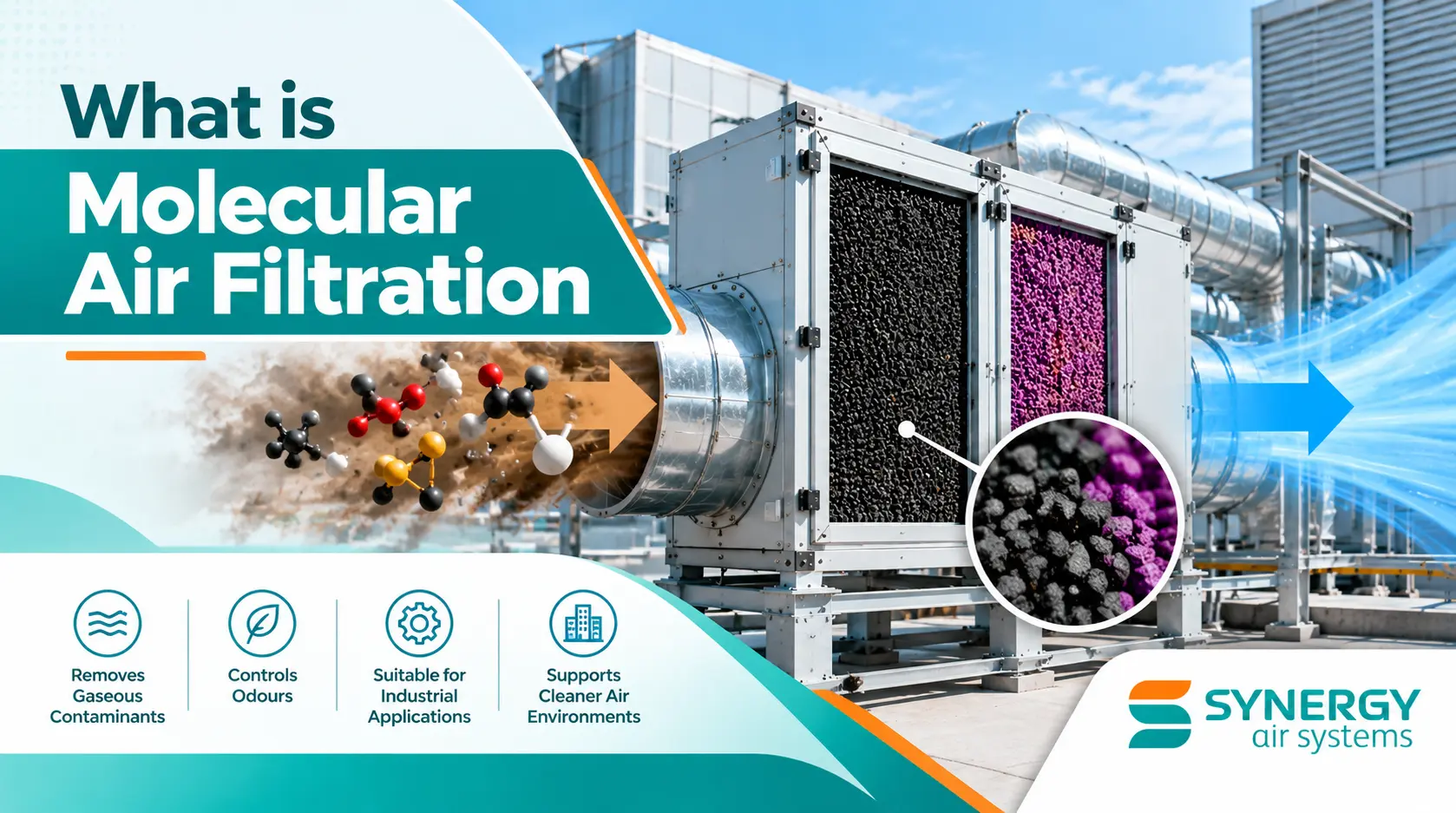
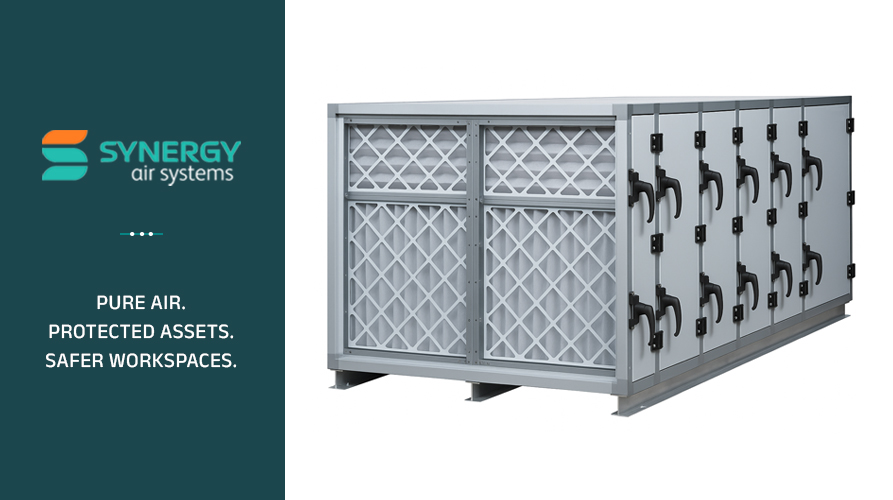
This is where gas phase air filters and ethylene removal systems come into play. These systems use activated carbon, KMnO₄ media, and advanced chemisorption technologies to capture and neutralize ethylene, VOCs, ammonia, and other harmful gases. The results are tangible: slower ripening, extended shelf life (7–21 days), improved firmness, color, and aroma, and reduced financial losses. Properly implemented gas phase air filtration for cold storage transforms a simple cold room into a controlled, healthy environment for produce.
6. The Practical Reality for Warehouse Owners
Ignoring air filtration is costly. Many cold storage owners focus solely on temperature and humidity, assuming that’s enough. The reality: up to 40% of produce can be lost due to gas contamination alone. Monitoring temperature without monitoring air quality is like watching a clock while your produce slowly spoils. Gas phase air filters are not optional anymore they are essential for any facility storing fruits and vegetables at scale.
Conclusion
Cold storage protects produce only when both temperature and air quality are controlled. Proper implementation of gas phase filtration systems ensures a longer shelf life, prevents premature spoilage, and reduces economic losses. For warehouse owners, exporters, and farmers, investing in ethylene control and VOC filtration systems is the most effective way to safeguard fresh produce and maximize returns.
Looking to upgrade your cold storage with advanced gas phase air filtration systems, ethylene removal filters, and VOC purification units?
Visit our website to explore customized solutions that protect your fruits and vegetables, reduce spoilage, and increase profitability.
FAQs
Why does produce spoil even in fully cooled cold storage?
Gas accumulation (ethylene, VOCs, ammonia) continues to trigger spoilage despite low temperatures.
Do gas phase air filters actually help?
Yes they neutralize harmful gases, stabilize ripening, and extend shelf life by 7–21 days.
Which produce is most sensitive to ethylene?
Leafy greens, cabbage, beans, potatoes, citrus, and export-grade fruits.
Can mixed storage work without gas phase filtration?
No cross-commodity contamination accelerates spoilage when different produce is stored together.
How often should air filtration media be replaced?
Typically every 4–6 months depending on gas load, storage volume, and type of produce.
Table of Contents
Toggle